

Falling behind on a mortgage is stressful, and a foreclosure notice makes it feel urgent. The good news is that Florida’s process takes time, and homeowners in Miami-Dade usually have more options than they think. This guide explains how to stop foreclosure in Miami by understanding the timeline, talking to your lender, and, if it makes sense, selling the house before the auction date.
If you already know you’d like to sell, you can see how we buy houses in Miami-Dade County as-is for cash.
How Foreclosure Works in Miami-Dade County
Florida is a judicial foreclosure state. That means a lender can’t simply take the house. It has to file a lawsuit and get a judgment from a judge. In Miami-Dade, these cases are heard in the Eleventh Judicial Circuit.
Here’s the usual order of events:
- Missed payments. Under federal rules, most mortgage servicers can’t start a foreclosure until a borrower is more than 120 days behind.
- Demand letter. The lender sends a notice saying the loan is in default and how much it takes to catch up.
- Lawsuit filed. A complaint is filed in court, and a process server delivers the papers to the owner. In Florida, you generally have 20 days to file a written response with the court.
- Final judgment. If the lender wins, the judge enters a final judgment and sets a sale date, typically 20 to 35 days later.
- Auction. Miami-Dade foreclosure sales are held online through the Clerk of the Court. Once bidding ends, the clerk records a certificate showing who bought the property.
Contested cases often take many months, and sometimes longer, to move from filing to judgment. That gap is the window homeowners use to stop the foreclosure.
Ways to Stop Foreclosure in Miami
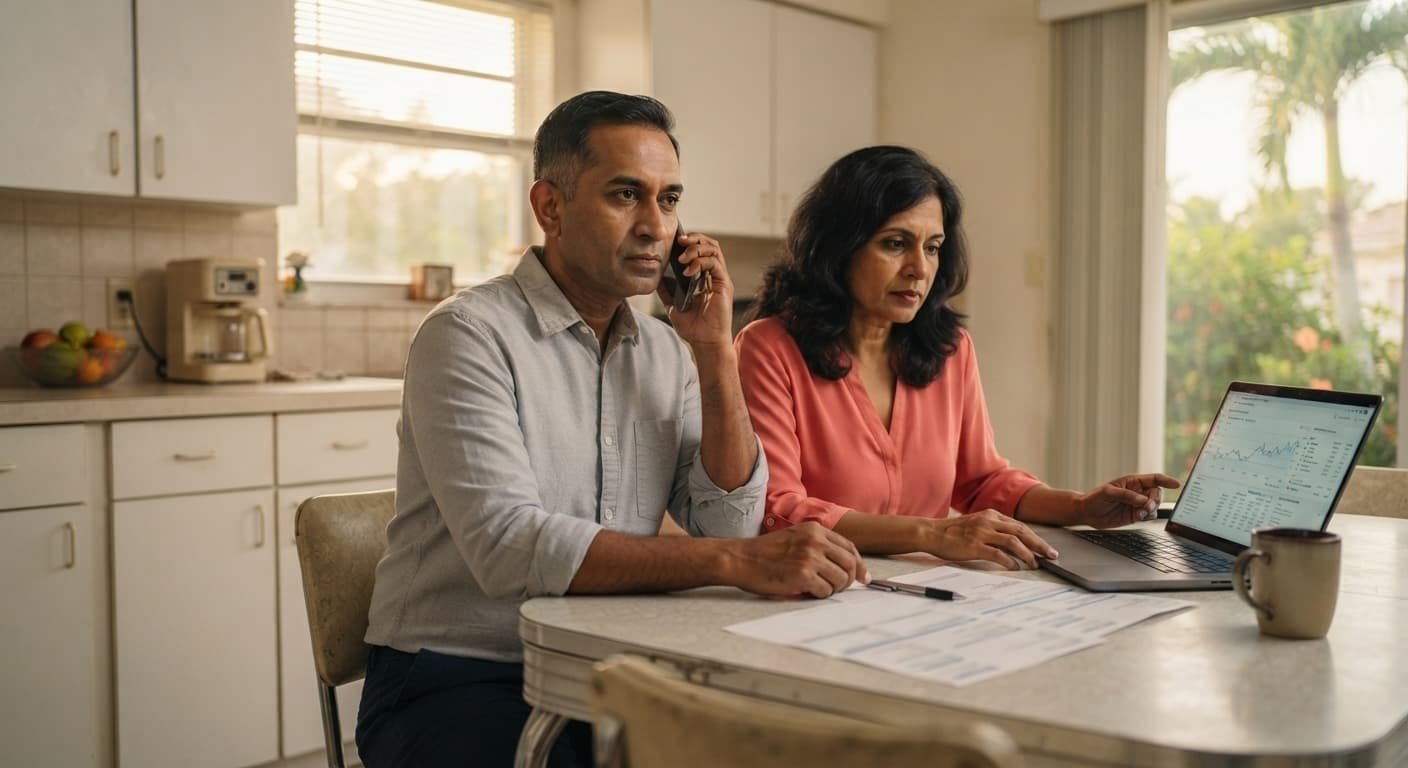
There isn’t one right answer. The best choice depends on whether you want to keep the home and whether you can afford it going forward.
- Reinstate the loan. Pay the missed payments plus fees, and the loan returns to normal. This works if the trouble was short-term.
- Request a loan modification or a payment plan. Your servicer may lower the payment, extend the term or spread the past-due amount over time. Send a complete application as early as possible, because federal rules give extra protections to complete applications submitted well before a sale.
- Forbearance. A temporary pause or reduction in payments, usually after a job loss, illness or disaster.
- Short sale. When the home is worth less than the loan balance, the lender might agree to take a smaller payoff.
- Bankruptcy. Filing triggers an automatic stay that pauses the foreclosure. It has long-term effects, so speak with a bankruptcy attorney first.
- Sell the house. If you have equity, selling pays off the loan and puts the remaining money in your pocket instead of losing it at auction.
Free help is available. A HUD-approved housing counselor will look over your options for free, and the Consumer Financial Protection Bureau has a tool to find one near you.
Selling Before the Foreclosure Sale Date
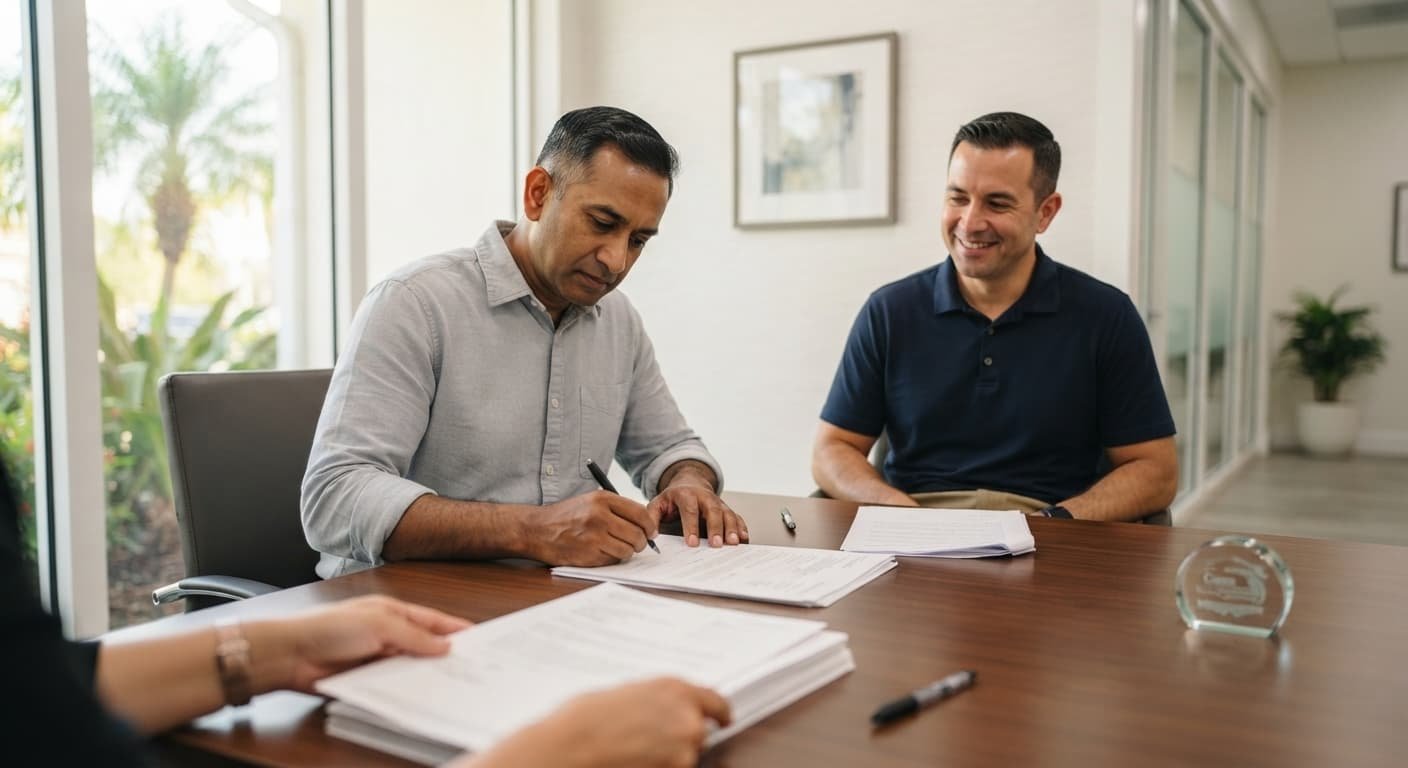
Selling is one of the most reliable ways to stop foreclosure in Miami-Dade, as long as the sale closes before the auction. Here’s how it usually works:
- Get a payoff quote. Your title company requests the exact amount needed to pay off the loan, including late fees and legal costs.
- Sign a contract. Once you have a buyer, share the contract with your lender or attorney. Some lenders will agree to postpone a sale date when a closing is already scheduled, but this isn’t guaranteed.
- Close and pay off the loan. The title company pays the lender directly at closing. With the loan paid, the lender ends the foreclosure case, and you keep whatever money remains.
Timing matters. A traditional sale with a mortgage-backed buyer often takes 30 to 60 days, which may be too slow if your sale date is close. A cash buyer can often close in one to two weeks, and doesn’t need repairs or an appraisal.
Florida law also gives you a right of redemption. You can pay the full judgment amount up until the clerk files the certificate of sale. After that, it’s usually too late to keep the home.
For a step-by-step look at your options while you’re still behind, read our guides on selling a house while behind on payments and how to sell a house with a mortgage.
Mistakes to Avoid
- Ignoring the lawsuit. If you don’t respond, the lender can get a default judgment quickly, which shortens your time.
- Waiting until the last week. Many options, including a sale, need time to arrange.
- Paying upfront fees for “foreclosure rescue.” Be careful with anyone who asks for money before doing any work or asks you to sign over your deed.
- Assuming you have no equity. Many Miami-Dade homes, from Hialeah to North Miami and Homestead, have gained value over the years. Get a payoff amount and a value estimate before you decide.
Facing Foreclosure in Miami-Dade?
If your sale date is getting close, a fast cash sale can pay off your loan before the auction and keep a completed foreclosure off your record. FMA Homebuyers can make an offer within 24 hours and close in as little as 7 days.
Frequently Asked Questions
How long does foreclosure take in Miami-Dade?
It varies. Uncontested cases can move faster, while contested ones often take many months or longer. The sale date is usually set 20 to 35 days after the final judgment.
Can I sell my house after the foreclosure lawsuit is filed?
Yes. You still own the home until the sale and certificate of sale, so you can sell it as long as the closing happens in time to pay off the loan.
Will selling hurt my credit less than a foreclosure?
Generally, yes. A finished foreclosure can remain on your credit history for up to seven years. Selling and paying off the loan avoids having a foreclosure recorded, although earlier missed payments will still show.
Next Steps
If you’re facing foreclosure anywhere in Miami-Dade County, start by knowing your sale date and your payoff amount. Our main guide on what to do if you need to sell your house fast due to foreclosure covers the bigger picture, and if the house came to you through an estate, our article on selling a house in probate in Florida may help. When you’re ready, request a fair cash offer, with no obligation and no fees.
Everything here is for general education only and isn’t legal or financial advice. Please speak with a Florida attorney or a HUD-approved housing counselor about your situation.